sábado, 26 de enero de 2008

You can go anywhere if you're someone else

rabbit monkey
Dylan and his music have become so ingrained in American pop culture that it's easy to forget what a weirdo he was, personally and musically. Drawing from a folkie predilection for overstatement, he wrote tons of verses per song, in oblique and impenetrable metaphors, words collapsing upon words, barbed with inside jokes, private accusations, and masked characters. He sang these songs in a nasal voice that became more and more of a defense mechanism as the years went on, suggesting a self-conscious lapse into self-parody.

Culling songs from his legendary albums as well as from obscure bootlegs, I'm Not There covers nearly every fabled aspect of his career: his earnest folkie beginnings, his electric post-Newport days, his conversion to Christianity, his 80s nadir, and finally, his current status as an eccentric éminence grise. In taking such a broad sampling of songs, I'm Not There persuasively argues that each phase is as important and potentially rewarding as any other.


STEPHEN M. DEUSNER, en Pitchfork

miércoles, 23 de enero de 2008

Couldn't care less

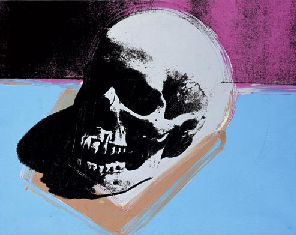
warhol skull
Because we need something to look forward to. We need the dream. Once, long long ago, there were two types of people: those who could fool themselves into thinking life was worth living, and those who couldn't. Needless to say, the second group died out really quickly. And the first group has had millions of years to perfect its technique for overlooking the bad in life.

http://wilshipley.com/blog/2007/12/...

viernes, 18 de enero de 2008

E' finito

norwegian wood
It's really, really deep," said Naoko, choosing her words with care. She would speak that way sometimes, slowing down to find the exact word she was looking for. "But no one knows where it is," she continued. "The one thing I know for sure is that it's around here somewhere."

Hands thrust into the pockets of her tweed jacket, she smiled at me as if to say "It's true!"

"Then it must be incredibly dangerous," I said. "A deep well, but nobody knows where it is. You could fall in and that'd be the end of you."

"The end. Aaaaaaaah, splat. Finished."

"Things like that must actually happen."

"They do, every once in a while. Maybe once in two or three years. Somebody disappears all of a sudden, and they just can't find him. So then the people around here say, 'Oh, he fell in the field well.'"

"Not a nice way to die," I said.

jueves, 17 de enero de 2008

Simulacros

ghost
Justamente es eso lo que atemorizaba a los iconoclastas, cuya querella milenaria es todavía la nuestra de hoy. Debido en gran parte a que presentían la todopoderosidad de los simulacros, la facultad que poseen de borrar a Dios de la conciencia de los hombres; la verdad que permiten entrever, destructora y anodadante, de que en el fondo Dios no ha sido nunca, que solo ha existido su simulacro, en definitiva, que el mismo Dios nunca ha sido otra cosa que su propio simulacro, ahí estaba el germen de su furia destructora de imágenes.

BAUDRILLARD: La precesión de los simulacros

martes, 8 de enero de 2008

Requiescat In Pace

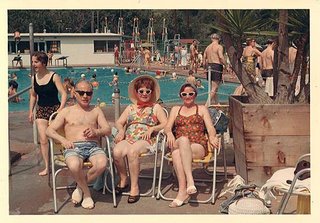
holiday
Corría el año 77 cuando los Hewlett decidieron celebrar por todo lo alto sus 25 años de casados. Invitaron a su hija menor, la soltera, a pasar con ellos dos de los diez días que iban a tomarse de vacaciones. Y esta foto fue tomada en la piscina del precioso hotel en que se alojaban, el Mirage Grand Hotel. Tres días después, la señora Hewlett descubría a su marido en actitud comprometida con una empleada del hotel. En ese mismo momento, su hija Dorothy (la primera por la derecha en la fotografía) renunciaba a seguir con una existencia vacía e inútil, poniendo fin a su vida con una gran calibre que había pertenecido a su abuelo. De esos días felices, solo quedan instantes como este.

Hoy decimos adiós a uno en la familia: Kitsch me, Baby pasa a mejor vida. Y mientras, aquí se cumplen 2 años. Nada somos.